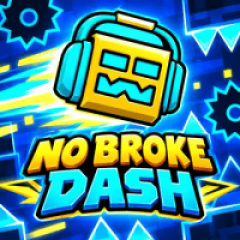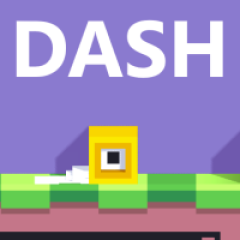
No Broke Dash is an attractive platform game with simple mechanics. Navigate tricky zigzag paths, avoid spinning buzzsaws, and race toward the finish.
Hot on the heels of Victory Lap Dash, the developer Greenlight released No Broke Dash in October 2026. Inspired by I Just Might Dash, this game also allows you to participate in a thrilling adventure. The main objective is to navigate the course safely and reach the finish line. To do so, you must jump across platforms, avoid spikes, maneuver around buzzsaws, and guide flying characters through narrow passages. The challenge comes from responding to different obstacles without losing control of your movement.
Because this game is easier than Geometry Dash Spam, you encounter fewer obstacles along the way.
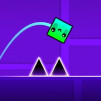
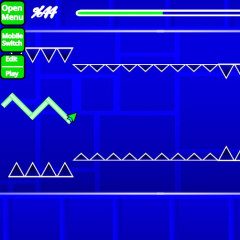
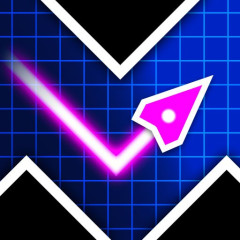
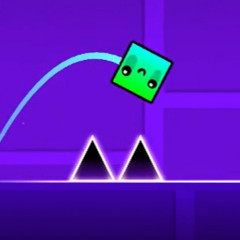
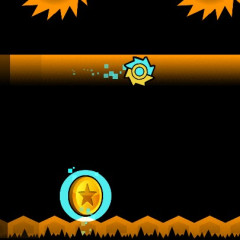
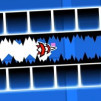
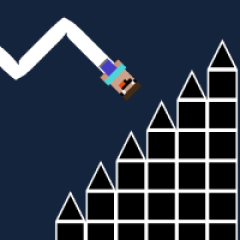
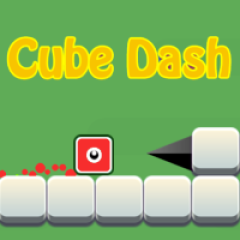
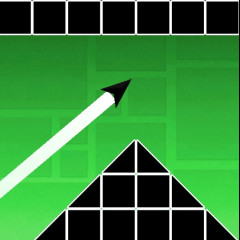
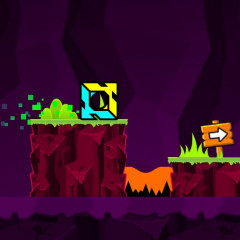
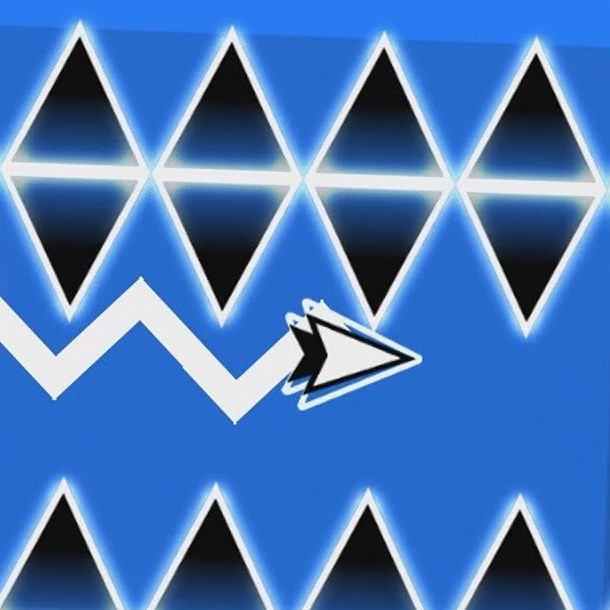
At the beginning, you control a cube moving along a dark path filled with candles. Your first task is to navigate this opening safely before entering a wave portal. Once transformed into the wave character, you must fly upward and downward to avoid spikes. This section introduces a movement pattern that differs from ordinary platform jumping. Instead of concentrating on the space directly ahead of your feet, you need to judge the available room above and below your current position. After leaving the wave section, you return to the cube form and face double spikes. You must time your jumps carefully to clear these obstacles without landing in a dangerous position. This opening sequence establishes an important principle: success depends on understanding the movement rules of each form rather than treating every obstacle as another jump.
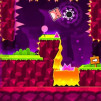
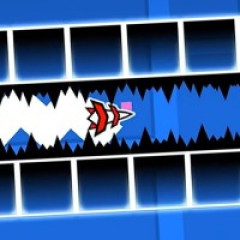
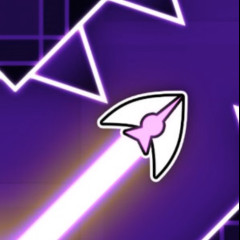
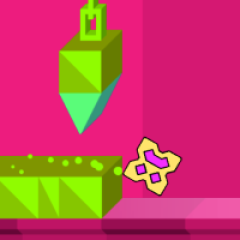
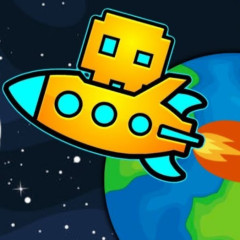
As you progress, you encounter high platforms and gravity pads. These elements add another layer of movement control because you must respond to the environment while keeping track of upcoming hazards. The route eventually leads to a ship portal. After entering it, you take control of a flying character and must move between spiky walls. This section requires attention to the available space. A route that looks open at first may become dangerous if you move too far upward or downward. Keeping your movements measured can help you remain within the safe corridor.
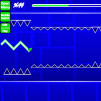
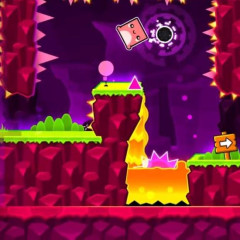
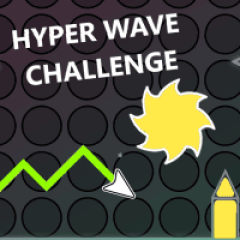
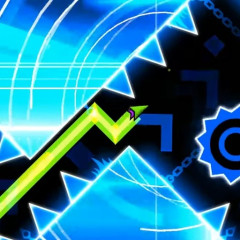
After the ship section, a wave portal introduces another sequence of narrow, zigzagging movement. Your task is to guide the wave character through the available gaps and avoid contact with the surrounding hazards. The next cube portal is positioned between buzzsaws. This transition is particularly important because it places a ground-based jumping section after an aerial challenge. Once you return to the cube, you must slide or move through the available space and perform high jumps to avoid single, elevated spikes and buzzsaws in the sky. Pink jump pads can help you jump higher, but you still need to judge where your character will land. The course also includes small blocks positioned above water. These platforms demand careful movement because a poorly timed jump can send you off the safe route.
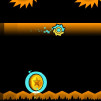
Later in the course, another ship portal transforms you into the flying character. This time, you must navigate around rotating buzzsaws. The final transformation takes you back into the wave form. You then follow a zigzag path through the clouds while avoiding buzzsaws and working toward the finish line. The last stretch combines familiar mechanics in a demanding sequence. You must recognize the movement pattern of the wave character, monitor the available space, and avoid hazards until you complete the course.
The game's identity comes from a combination of changing movement styles, customizable characters, atmospheric scenery, and two different ways to approach the course.
This running game uses a visual theme built around candles, stars, clouds, and a mountain background. The dark opening path creates a contrast with the starry sky and elevated sections that appear later. This consistent visual identity helps distinguish the game from an obstacle course that relies only on plain platforms and hazards. It also provides variety as you move between ground-based sections and aerial challenges. The scenery does not eliminate the difficulty of the course. Spikes, buzzsaws, and narrow passages remain the main obstacles you must overcome. Paying attention to the route is therefore just as important as appreciating the environment.
This adventure game includes different character forms, such as cubes, ships, and waves. You can select your preferred characters and change their colors. Customization gives you a way to personalize the appearance of your adventure. It does not replace the need to learn each form's movement style, but it lets you choose a look that suits your preferences. If you enjoy making a character feel more personal, this feature adds a simple visual choice to the experience. You can focus on appearance while still preparing to handle the same types of obstacles.
You do not need to master every movement style immediately. A more manageable approach is to learn the course one section at a time.