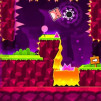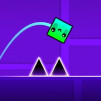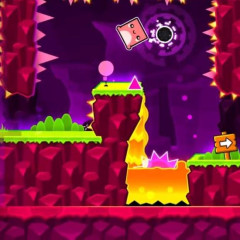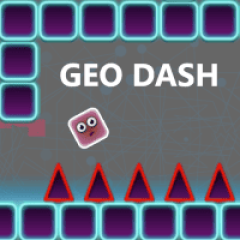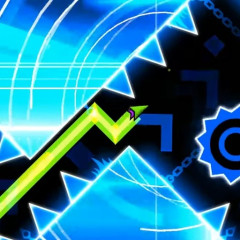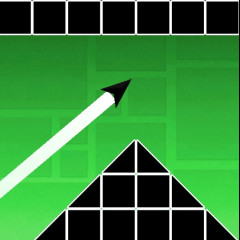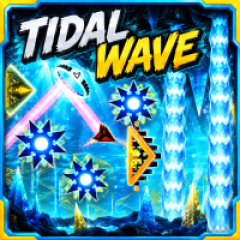
Geometry Dash Tidal Wave is an engaging adventure game with a distinctive summer theme. Try to run or fly to the finish line at a fast speed.
This game was created by OniLink. It features Extreme Demon difficulty. Moreover, this game features a distinctive summer and beach aesthetic, fast-paced transitions, and some of the most demanding wave gameplay ever designed in Geometry Dash. This game combines:
These elements create a game that tests consistency, precision, reaction time, and endurance simultaneously.
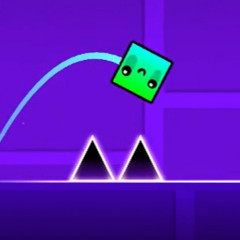
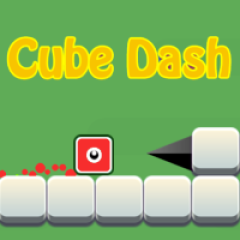
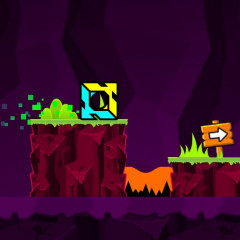
The game begins with an intense cube section that immediately switches between multiple game modes. Players are forced to adapt quickly as the pace remains aggressive from the very first seconds.
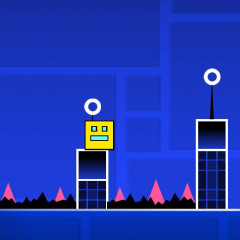
At 9%, the game slows down briefly, introducing a more controlled cube segment and a short straight-fly section. This momentary reduction in speed is deceptive. It quickly transitions back into another fast cube sequence with difficult timings.
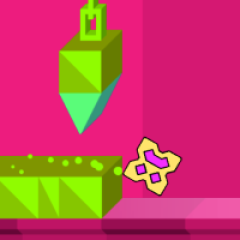
Around 18%, players encounter a notoriously difficult ship section filled with fake orbs. Misreading these inputs can end a run instantly. A brief UFO segment follows before the music approaches its first major drop.
Just before the drop, simple cube clicks appear, creating a false sense of security. Then the game's title screen appears as the beat of the soundtrack hits.
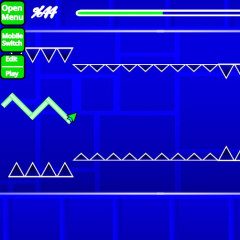
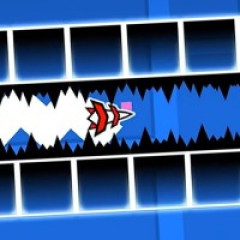
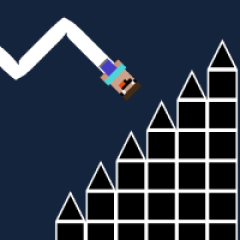
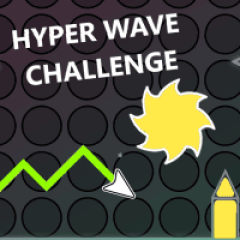
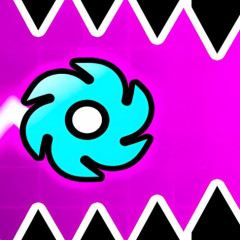
The first drop is where Tidal Wave gameplay becomes legendary. Players enter a big-wave section with extremely tight gaps and frequent gravity portals.
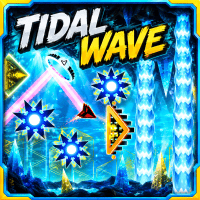
At 30%, the wave begins alternating between mini and normal sizes, dramatically increasing the difficulty. The game also introduces periodic darkening and brightening effects, making visual tracking harder. For many players, this portion represents the true identity of Tidal Wave: relentless precision with almost no room for error. At 39%, the game shifts to half speed. Compared to the surrounding gameplay, this section feels relatively forgiving, featuring simpler cube, wave, and robot sequences. However, the darker visual style maintains tension and prevents players from fully relaxing.
At 42%, the visuals suddenly brighten into a beach-themed cutscene. This is one of the most memorable aesthetic moments in the game.
Immediately afterward, players face:
The contrast between the relaxing beach visuals and the brutal gameplay is part of what makes the game so memorable. The second drop begins at quadruple speed and continues the game's reputation for extreme difficulty. From 62% onward, game modes alternate rapidly, forcing constant adaptation. Another demanding wave section appears around 72%, maintaining pressure deep into the run.
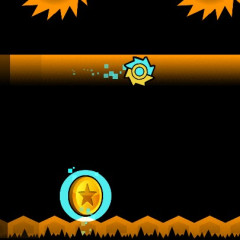
The final section adopts an orange sunset color palette, giving the game a dramatic closing atmosphere.
Players must survive:
The game concludes at 95% with the messages THANKS FOR PLAYING and WATCHING, followed by verification information and credits.
How to control: Left click = Jump or fly up.
When Geometry Dash Tidal Wave was rated and held the first place on the Demonlist, after Geometry Dash Bloodbath. If Geometry Dash Tidal Wave had been rated and added to the Demonlist on the day it was verified, it would have pushed Geometry Dash Yatagarasu into the Demonlist's Legacy List. Several factors contributed to this achievement:
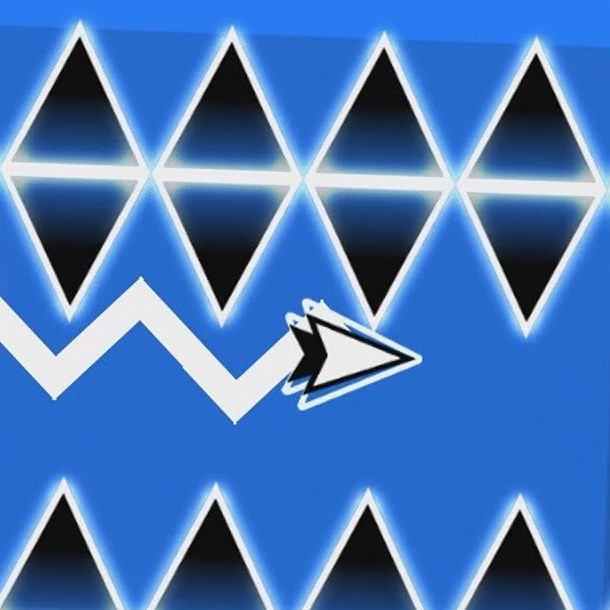
The game's wave gameplay is considered among the hardest ever created. Many sections require near-perfect control for extended periods.
Tidal Wave is not only hard in isolated moments. The challenge comes from maintaining precision across a long sequence of demanding gameplay.
Numerous inputs are effectively frame-perfect, leaving almost no margin for mistakes.
Because the hardest parts are spread throughout the game, players must remain focused for the entire run.
The soundtrack Tidal Wave is a major reason the game feels so cohesive.
The music's energy aligns closely with the gameplay structure:
This synchronization is one of the game's greatest strengths.
For experienced players considering the game:
This is not a game most players can brute-force through repetition alone.
In summary, Geometry Dash Tidal Wave represents a milestone in the history of Geometry Dash, combining exceptional visual design with some of the most demanding gameplay ever rated. Whether you view it as a masterpiece, a nightmare, or both, its influence on the Geometry Dash community is undeniable. The game pushed the boundaries of what players believed was possible and secured its place as one of the most important creations in the game's history.